What to prepare before a studio session abroad
Flights and a studio booking are the easy part. The sessions that produce something usable are decided in the fortnight before anyone gets on a plane.
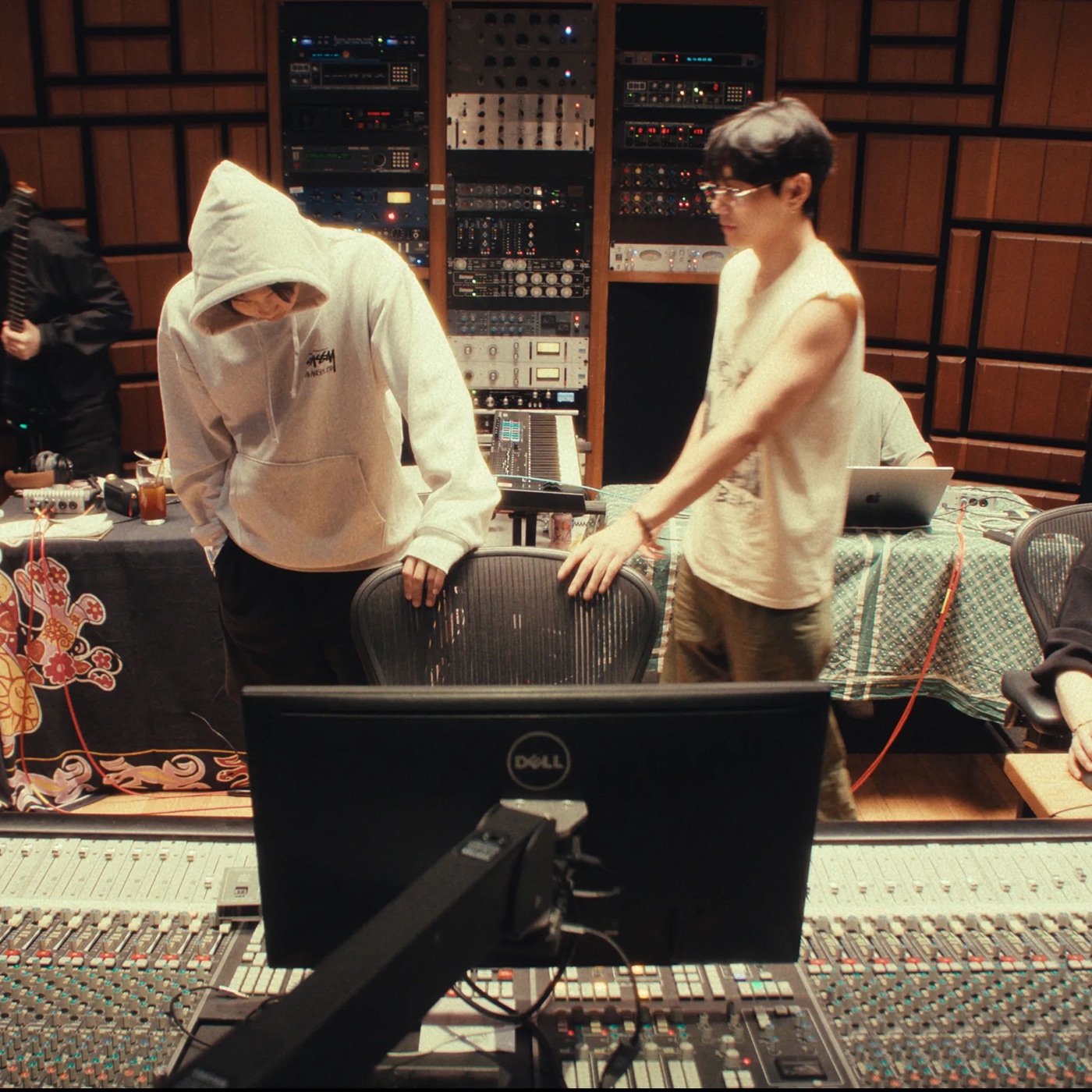
Before a session abroad, agree three things in writing: what the session is meant to produce, who is in the room, and how splits will be handled. Then send references and stems ahead of time. A session booked without those three is a studio rental, not a session.
Agree what the session is for, before you book anything
"Two days in Seoul" is not a brief. A brief is one sentence that everyone in the room could repeat back: we are trying to finish the second single, or we are looking for one topline strong enough to build a project around, or we are meeting this producer to see whether the chemistry is real.
Those three briefs need different rooms, different lengths and different people. The first needs a mixing-capable studio and an engineer who can commit sounds. The second needs writers and a lot of coffee. The third needs a short, low-stakes half day, because two full days with someone you don’t click with is a wasted trip and an awkward one.
Write the brief down and send it with the invitation. Producers and writers say yes to different things depending on what is actually being asked.
The two-week checklist
Working backwards from the session date, this is the order things tend to need to happen.
Two weeks out
- Names confirmed: writers, producers, engineer. Names first, then dates, then the room.
- Brief circulated to everyone attending, in one paragraph.
- Visa and work-permit position checked. Some countries treat paid studio work differently from tourism, and the answer depends on nationality and on whether money changes hands locally. Check it early; it is the one item on this list that cannot be solved in a day.
One week out
- References sent: five or six tracks, with a line on what you like in each. "This one for the drums, this one for how dry the vocal is."
- Unfinished ideas sent as stems or voice notes, each labelled with tempo and key.
- Studio technical sheet requested and read. Confirm the microphone chain, the monitors, and whether the house engineer is included or billed separately.
- Split-sheet template printed or loaded on a phone. Not emailed on the day.
Two days out
- Arrive. See below.
- Confirm session times in local time, in writing, with the studio and every attendee.
- Agree who is paying for what on the day, so nobody is negotiating a bill at 2am.
Bring your sounds, not just yourself
The most common way a session stalls is that everyone is waiting for someone to start. Turning up with three unfinished ideas, even weak ones, removes that.
What travels well: a folder of stems at the correct tempo, labelled; a short voice-note dump of hooks; the artist’s own microphone chain if their sound depends on it; in-ears that are known to work. What does not travel well: a laptop that has never been tested against the studio’s interface, and a plugin licence that needs an internet activation you may not get in the building.
Everything else, outboard, keys, guitars, can be rented locally, and usually more cheaply than the excess baggage would cost.
Splits get signed in the room
Chance Worldwide organises sessions in Seoul, Tokyo and Los Angeles, and this is the point we insist on hardest before anyone books a flight.
This is the part people skip, and it is the part that causes trouble a year later when a record works.
A split sheet lists everyone who contributed to a song, their role, their publisher or PRO, and the percentage each takes. It gets filled in and signed on the day, in the room, while everyone remembers who wrote what. Photograph it. Every writer keeps a copy.
It is an uncomfortable ten minutes. It is far less uncomfortable than the same conversation conducted through lawyers after the song has been placed.
Jet lag is a scheduling problem, not a willpower problem
Our own rule of thumb: arrive two clear days before a session that crosses more than six time zones, and never schedule the most important day first. Seoul and Los Angeles are both roughly a two-day adjustment from Paris in our experience. The first day is for walking around and eating at local times, the second is for a low-stakes writing day, and the serious work lands on day three.
If the budget only allows one day of margin, use it, and put the meeting-and-vibing session first, the finishing session last. Vocal takes recorded on the day of a long-haul landing tend to get re-recorded anyway, which is a more expensive way of losing the day.
What a good session leaves behind
Before anyone leaves, the session should produce a folder that someone who was not there could open and understand:
- A rough mix of everything started, bounced at the session tempo.
- Stems, or at minimum the session file with its plugins listed.
- Tempo and key written down, per idea.
- The signed split sheet, photographed.
- Contact details and publisher for every person who contributed.
- A one-line note per idea on what it still needs. "Needs a second verse." "Needs a different drum sound." Written the same day, because in three weeks nobody remembers.
That folder is what turns a trip into an asset. Without it you have a good memory and a hard drive nobody can navigate.
If you take one thing from this
Names before dates. Brief before booking. Splits before anyone leaves the building. Everything else is logistics, and logistics can be fixed on the day.
Common questions
How far in advance should a session abroad be booked?
Two to three weeks is usually enough for the studio itself. The constraint is rarely the room. It is the availability of the writers and producers you actually want, which is why the names are agreed before the dates.
Who owns the songs written in a session?
Whoever contributed, in the shares everybody agrees to. That agreement should be written down and signed in the room on the day, on a split sheet listing every writer, their publisher and their percentage. Splits settled weeks later are the single most common source of dispute.
What should an artist bring to a writing session?
Reference tracks, any unfinished ideas as stems or voice notes with their tempo and key noted, their own microphone chain if they rely on one, and a working set of in-ears. Everything else can be rented locally.
Working on something?
Tell us what you are working on. We answer everybody, and quickly.
Send us a message